
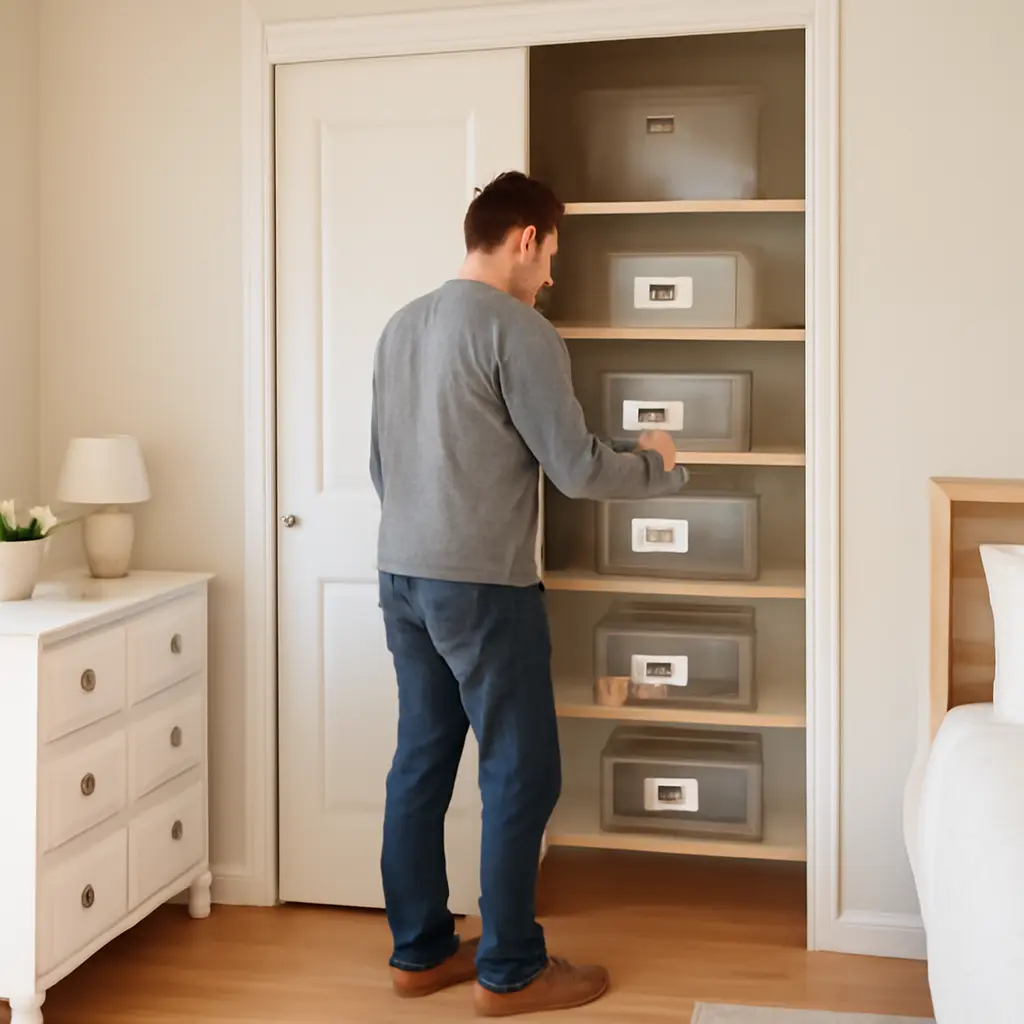
Storage solutions that work in tight apartments make better use of vertical space, hidden areas, and furniture that serves more than one purpose. The most practical options are wall-mounted shelves, under-bed storage, over-door organizers, modular furniture, and carefully chosen closet systems. They address a common space constraint: the U.S. Census Bureau reported that the median size of a new, privately owned apartment completed in 2023 was 1,015 square feet, while studios and older urban rentals can be considerably smaller. These five approaches can add useful capacity without making a home feel more crowded.
Use vertical storage to reclaim apartment wall space
Vertical storage means organizing belongings on walls and other upright surfaces rather than using more floor area. The National Association of Home Builders has documented the long-term trend toward smaller homes and apartments, making unused wall space a practical resource. Shelves, rails, and hooks are related forms of vertical storage; the best choice depends on what needs to be stored and whether the wall can safely bear the load.
Wall-mounted shelves for books and everyday items
Wall-mounted shelves are fixed or bracket-supported platforms that keep books, dishes, plants, and storage bins off the floor. Use sturdy anchors appropriate to the wall material, and locate studs when installing shelves intended for heavy loads. In rentals where drilling is restricted, freestanding ladder shelves can provide similar vertical capacity without permanent installation. Keep frequently used items at reachable heights and reserve high shelves for lightweight, occasional-use belongings.
Wall rails and hooks for flexible storage
A wall rail is a mounted strip or track that accepts hooks, baskets, or small shelves. It works well in entryways and kitchens for coats, bags, utensils, or cleaning tools because the arrangement can change as needs shift. The U.S. Fire Administration advises keeping exits and pathways clear; wall storage should therefore stay out of door swings and escape routes. A small, defined rail is more useful than covering every available wall with items.
Choose under-bed storage for hidden, low-frequency belongings
Under-bed storage uses the often-unused space beneath a bed for items that do not need daily access. It is a particularly useful hyponym of hidden storage: the belongings are accessible but visually tucked away. Measure the clearance from floor to bed frame before buying containers, and account for wheels, bed supports, and the space needed to pull bins out.
Rolling bins and shallow drawers
Rolling bins and shallow drawers are containers designed to slide beneath a bed. They suit off-season clothing, spare linens, shoes, and luggage accessories. Choose lidded containers for dust protection and label them on the end that faces outward. A simple inventory on the container can prevent multiple bins from being opened to find one item.
Vacuum bags for bulky textiles
Vacuum storage bags compress suitable soft goods, such as spare comforters and seasonal clothing, by removing excess air. They can reduce the volume of bulky textiles, but they are not appropriate for every material: delicate fabrics, structured garments, and items that should retain loft may be damaged or creased. Follow the manufacturer’s care instructions, and avoid storing damp textiles, which can encourage mildew.
Add over-door organizers for narrow, overlooked surfaces
Over-door storage is an organizer supported by a door’s top edge or attached to its surface. It turns the back of a door into storage without taking up floor area, making it a useful option for bathrooms, closets, and pantry doors. Before installation, check the door’s clearance, thickness, and ability to close with the organizer in place.
Pocket organizers for small household goods
A pocket organizer contains fabric or plastic compartments for lightweight items such as toiletries, accessories, or cleaning supplies. Transparent pockets make contents easy to identify, while deeper compartments can hold larger products. Distribute weight evenly and avoid storing heavy objects overhead, especially on frequently used doors.
Hanging racks for shoes and accessories
A hanging rack uses hooks or shelves to organize shoes, bags, scarves, or household tools behind a door. In a small entryway, it can replace a floor-standing rack, but it should not block the door latch or interfere with a nearby hallway. For a rental, removable adhesive hooks may be an alternative for light objects, provided the product is suitable for the surface and used within its stated weight limit.
Use modular, multipurpose furniture to combine storage and function
Multipurpose furniture combines two or more functions, such as seating and storage or sleeping and shelving. Modular furniture consists of separate units that can be rearranged or expanded. Together, these options reduce the need for single-purpose pieces, though measurements matter: a storage ottoman or bed with drawers is useful only if it can be opened without blocking circulation.
Storage ottomans and benches
A storage ottoman or bench provides seating while concealing blankets, shoes, or small household items. In an entryway, a bench can make putting on shoes easier and keep footwear contained. Choose a model with a lid that opens safely and enough clearance around it; frequently used items should not be buried beneath things needed only occasionally.
Beds and tables with integrated storage
Beds with drawers, lift-up platforms, nesting tables, and desks with built-in shelves combine storage with furniture already needed in the room. These designs can replace separate cabinets, but they may be difficult to move and require adequate operating space. Measure room dimensions, doorways, and stairwells before purchasing, and check whether drawers can open fully beside walls or other furniture.
Improve closet capacity with adjustable systems and simple sorting
A closet system organizes hanging space, shelves, drawers, and accessories within an existing closet. Adjustable components are especially useful in rentals because they can adapt to changing needs and, in some cases, be installed with minimal alteration. The U.S. Environmental Protection Agency’s guidance on reducing household waste emphasizes prevention and reuse; applying that idea to storage means assessing and sorting possessions before buying more containers.
Double hanging rods and shelf dividers
A double hanging rod creates two levels for shorter garments, while shelf dividers keep folded clothing or linens from collapsing into a pile. These additions make better use of closet height and can reduce the need for a separate dresser. Keep heavier items on stable, lower shelves and ensure any added rod or bracket is rated for the intended load.
Labeled bins and a quick inventory
Labeled bins group similar belongings, such as holiday decorations, sports equipment, or spare toiletries, so they are easier to locate. A brief inventory—written on the bin or kept on a phone—helps prevent duplicate purchases and unnecessary unpacking. Clear bins are useful when contents vary; opaque bins can make a closet look calmer when labels are easy to read.
Conclusion: Make small-apartment storage fit daily life
The most effective small-apartment storage often comes from combining five approaches: use vertical space, put low-frequency belongings under the bed, organize the backs of doors, choose furniture with built-in storage, and make closets more adjustable. Start by measuring and sorting, then select solutions that preserve clear pathways and match your lease, wall type, and routines. For further guidance, consult building-safety advice before mounting heavy items and check product load limits before installation.
Sources: U.S. Census Bureau, Characteristics of New Housing: 2023, https://www.census.gov/construction/chars/; National Association of Home Builders, Housing Facts, Figures and Trends, https://www.nahb.org/news-and-economics/housing-economics/housing-statistics; U.S. Fire Administration, Home Fire Escape Plans, https://www.usfa.fema.gov/prevention/home-fires/prepare-for-fire/escape-plans/; U.S. Environmental Protection Agency, Reducing and Reusing Basics, https://www.epa.gov/recycle/reducing-and-reusing-basics.


