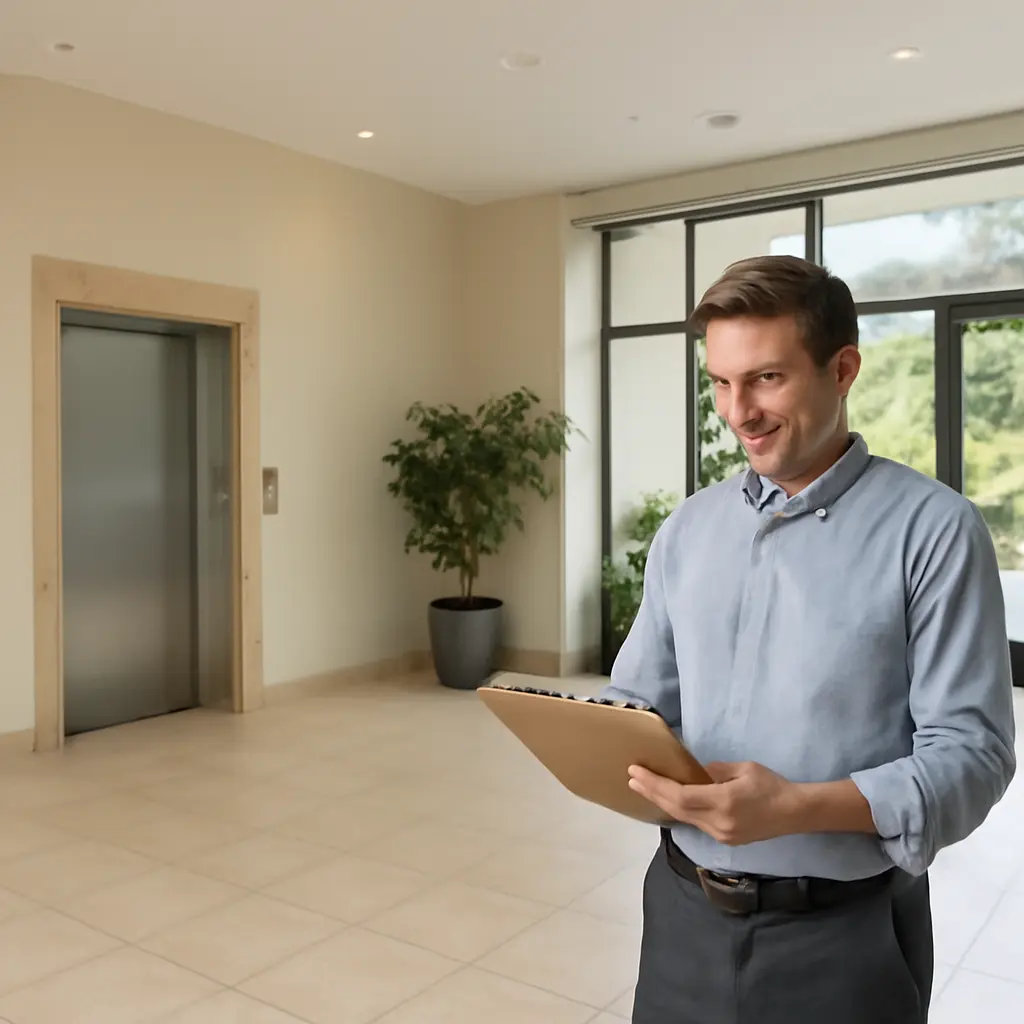
A condo’s cleanliness standard is the consistent, documented level of care applied to its shared spaces, building systems, and individual units. What separates a great condo from an average one is not simply a polished lobby on showing day: it is a reliable routine for preventing dirt, odors, pests, and maintenance issues from accumulating. That standard matters to residents, visitors, and property value alike. The U.S. Environmental Protection Agency (EPA) identifies moisture control as a key part of preventing mold, while the National Pest Management Association notes that pests can enter buildings through small gaps and openings—making housekeeping and maintenance connected tasks, not cosmetic extras. This guide explains how to define a condo cleanliness standard, maintain common areas and indoor air quality, prevent pests, and verify results with practical inspections and clear accountability.
A condo cleanliness standard is a measurable property-management practice
A useful cleanliness standard describes the expected condition of a space, how often it is cleaned, who is responsible, and how performance is checked. The U.S. Centers for Disease Control and Prevention (CDC) distinguishes routine cleaning—which removes dirt and many germs—from disinfection, which uses chemicals to kill germs on surfaces. For a residential condo, that distinction helps prevent two opposite mistakes: under-cleaning high-use areas and applying strong disinfectants indiscriminately where routine cleaning is sufficient.
The standard should cover both visible presentation and underlying conditions. A clean corridor with a persistent leak is not well maintained; nor is a technically sound building welcoming if residents encounter overflowing bins, dirty elevator buttons, or lingering odors. Clear schedules, suitable cleaning products, prompt repair reporting, and documented follow-up turn cleanliness from a subjective impression into a repeatable service.
Cleanliness, sanitation, and disinfection are related but different
Cleanliness generally means removing visible soil, debris, and residue. Sanitation reduces contamination to a level considered acceptable for a particular setting, while disinfection targets germs on surfaces using an appropriate product and label directions. The CDC advises that cleaning alone is sufficient in many ordinary situations, with disinfection most relevant when someone is sick or when a setting presents a specific health concern. Condo boards and managers should therefore define the task based on use and risk rather than treating every surface as if it requires the same chemical treatment.
A strong standard combines frequency, ownership, and verification
Each area needs a clear owner and a practical inspection method. For example, management may assign daily checks for lobby litter and restrooms, scheduled cleaning for floors and glass, and immediate escalation for spills, leaks, or bodily-fluid incidents. A simple log can record the date, task, responsible person, and any unresolved issue. These records help managers spot recurring trouble—such as a bin that fills too quickly or a drain that repeatedly smells—rather than repeatedly treating the symptom.
Common-area cleanliness is the most visible condo quality signal
Common areas are shared spaces residents and visitors encounter before they see a private unit. Their condition communicates whether the property is cared for, and small failures can quickly become persistent complaints. A practical common-area program prioritizes high-touch and high-traffic locations while adapting the schedule to occupancy, weather, and actual use.
Lobbies, elevators, and corridors need frequent attention
A lobby cleanliness routine typically includes removing litter, cleaning entry glass, checking mats, and addressing fingerprints on frequently touched surfaces. Elevators need attention to floors, tracks, buttons, and mirrors; corridors need regular vacuuming or floor care and prompt removal of spills. Frequency should reflect traffic: a busy building entrance may need multiple checks a day during rainy or snowy weather, while a quieter hallway may require less frequent service.
The American Cleaning Institute’s guidance on cleaning practices emphasizes matching tools and methods to the surface and soil. In a condo, that means avoiding abrasive products on finishes, using floor products compatible with the flooring, and following manufacturer instructions. Good cleaning protects materials as well as appearance.
Garbage rooms and recycling areas require odor and spill control
Waste rooms can become a source of odors, pests, and resident dissatisfaction if containers overflow or liquids remain on floors. A dependable routine includes checking capacity, cleaning spills promptly, keeping doors closed where appropriate, and ensuring that bins are accessible for collection. Management should also post clear sorting instructions and arrange collection frequency around the building’s actual waste volume.
If odors persist after cleaning, the cause may be a blocked drain, damaged container, inadequate ventilation, or waste left in an adjacent area. Treating odors as a maintenance signal—not merely masking them with fragrance—helps resolve the underlying problem.
Amenities need rules that residents can follow
Fitness rooms, lounges, pools, and shared kitchens have different cleaning needs because their surfaces, moisture levels, and patterns of use differ. A fitness room may require routine cleaning of equipment contact points and floors; a shared kitchen needs food-residue removal and clear rules for abandoned items. Pool areas require a separate water-quality and safety program, rather than relying on general housekeeping alone.
Post concise instructions where the task occurs: wipe equipment after use, dispose of food waste, and report spills or broken fixtures. Resident cooperation supports professional cleaning, but it does not replace management’s responsibility to maintain a predictable service schedule.
Indoor air quality and moisture control make cleanliness healthier
Indoor cleanliness includes conditions residents may not see: moisture, ventilation, dust, and the safe storage and use of cleaning chemicals. The EPA’s indoor-air-quality guidance identifies sources such as moisture, combustion products, and household chemicals as factors that can affect indoor environments. A condo cleanliness plan should therefore connect housekeeping with building maintenance and resident communication.
Moisture management helps prevent mold problems
Mold prevention begins with controlling moisture. The EPA recommends drying water-damaged areas and items within 24 to 48 hours to help prevent mold growth. That time frame makes fast reporting essential: residents and staff should know whom to contact for leaks, condensation, wet carpets, or water intrusion, and managers should document the response and confirm that affected materials dry fully.
Cleaning visible mold without fixing the moisture source is unlikely to solve the problem. A recurring patch may indicate a plumbing leak, failed seal, condensation issue, or ventilation problem. The appropriate response may require qualified building professionals, especially where contamination is extensive or concealed.
Ventilation and dust control support a fresher building
Dust can collect on vents, ledges, and furnishings, while poor ventilation may allow odors or moisture to linger. A routine should include cleaning accessible surfaces and reporting blocked or damaged ventilation components. Building staff should not alter mechanical systems beyond their training; filters and equipment should be maintained according to manufacturer guidance and the building’s maintenance plan.
Fragrance is not a substitute for removing an odor source. Strong air fresheners may simply cover the symptom and can bother residents who are sensitive to scents. Source control—removing waste, cleaning residue, drying moisture, and repairing faults—is usually the more durable approach.
Cleaning products should be selected and used safely
A professional standard specifies products suitable for each surface and requires staff to follow label directions, including dilution, contact time, ventilation, and protective equipment. The Occupational Safety and Health Administration (OSHA) requires employers to communicate chemical hazards to workers through its hazard communication requirements. Condo operators should keep product labels and safety information available to staff, train workers, and never mix incompatible chemicals.
Pest prevention depends on sanitation plus building maintenance
Pest prevention is a cleanliness issue, but it is not only a cleaning issue. The National Pest Management Association describes integrated pest management as an approach that combines inspection, prevention, monitoring, and targeted control. For condos, the most useful prevention steps are to remove food and standing water, manage waste, seal entry points, and respond quickly to signs of activity.
Food and waste management reduce attractants
Crumbs, unsealed food, grease residue, and overflowing rubbish can attract insects and rodents. Shared kitchens and garbage rooms should be inspected for spills and food residue, while residents should receive clear guidance on storing food and disposing of waste. Cleaning schedules work best when paired with adequate bin capacity and reliable collection.
Sealing gaps and fixing leaks closes common pathways
Pests can enter through openings around pipes, doors, vents, and damaged seals. Maintenance teams should record gaps and repair them with materials appropriate to the location, while also correcting leaks that provide water. The University of California Statewide Integrated Pest Management Program recommends prevention measures such as sanitation and exclusion as part of integrated pest management. Chemical treatment alone cannot compensate for persistent access to food, water, or shelter.
Prompt reporting limits building-wide spread
Residents should know how to report droppings, insects, damaged packaging, or repeated bites without delay. Management can then arrange inspection, identify the affected area, and coordinate treatment where needed. Reports should be handled discreetly and consistently; stigma can discourage early reporting and allow a small issue to spread.
Inspection metrics turn a cleanliness promise into accountability
An effective condo standard is measurable without reducing cleanliness to a single score. Useful measures include completed scheduled tasks, unresolved maintenance reports, repeat complaints, inspection findings, and time taken to respond to urgent spills or leaks. These are operational indicators, not universal benchmarks: each property should establish targets based on its size, staffing, amenities, and resident needs.
Use a zone-based inspection checklist
Divide the property into zones—entrances, elevators, corridors, waste areas, amenities, and service spaces—and define observable conditions for each. A checklist might ask whether floors are free of loose debris, bins are below capacity, odors have a known cause, and reported leaks have an assigned work order. Photos can help document recurring defects, provided they are taken respectfully and without exposing residents’ private information.
Track complaints as patterns, not isolated events
A single complaint may point to a one-time spill; repeated complaints about the same elevator, floor, or odor suggest a process or maintenance failure. Managers can review complaint categories monthly, compare them with cleaning logs, and adjust staffing or schedules accordingly. The goal is corrective action, not simply closing tickets.
A sample scorecard can guide routine reviews
The following example is illustrative rather than an industry-wide standard. A property could rate each zone from 1 to 5 and record corrective actions alongside the score:
- Floors, surfaces, and glass: visible soil, spills, and fingerprints.
- Waste and odors: bin capacity, residue, drainage, and source identification.
- Moisture and maintenance: leaks, damp materials, and open work orders.
- Safety and supplies: wet-floor warnings, product storage, and accessible cleaning materials.
- Follow-up: completion of scheduled tasks and closure of repeat issues.
A chart of monthly inspection scores alongside complaint volume can reveal whether service improvements are lasting. If scores rise but complaints remain high, the inspection criteria may be missing resident priorities or recurring problems.
Conclusion: consistent condo cleanliness is a building-wide standard
Great condos distinguish themselves through consistent care, not occasional cosmetic cleaning. A clear standard defines cleaning, sanitation, and disinfection; gives common areas and amenities schedules suited to their use; connects housekeeping with moisture and indoor-air management; and prevents pests through sanitation, exclusion, and timely reporting. Checklists, logs, and complaint trends make those commitments verifiable.
Boards, managers, and residents can begin by reviewing the building’s current cleaning schedule, naming an owner for each shared zone, and creating a simple process for reporting spills, leaks, odors, and pest activity. Then review the results regularly and correct recurring causes. That practical discipline protects resident comfort, supports building upkeep, and makes cleanliness a dependable part of condo quality.
Sources: U.S. Centers for Disease Control and Prevention, Cleaning and Disinfecting Your Facility, https://www.cdc.gov/hygiene/about/cleaning-and-disinfecting-your-facility.html; U.S. Environmental Protection Agency, A Brief Guide to Mold, Moisture and Your Home, https://www.epa.gov/mold/brief-guide-mold-moisture-and-your-home; U.S. Environmental Protection Agency, Indoor Air Quality, https://www.epa.gov/report-environment/indoor-air-quality; Occupational Safety and Health Administration, Hazard Communication, https://www.osha.gov/hazcom; National Pest Management Association, Integrated Pest Management, https://www.pestworld.org/pest-control-tips/integrated-pest-management/; University of California Statewide Integrated Pest Management Program, Integrated Pest Management, https://ipm.ucanr.edu/GENERAL/whatisipm.html; American Cleaning Institute, Cleaning Tips, https://www.cleaninginstitute.org/cleaning-tips.